Fyrn Landscapes
California Native Plant Landscaping
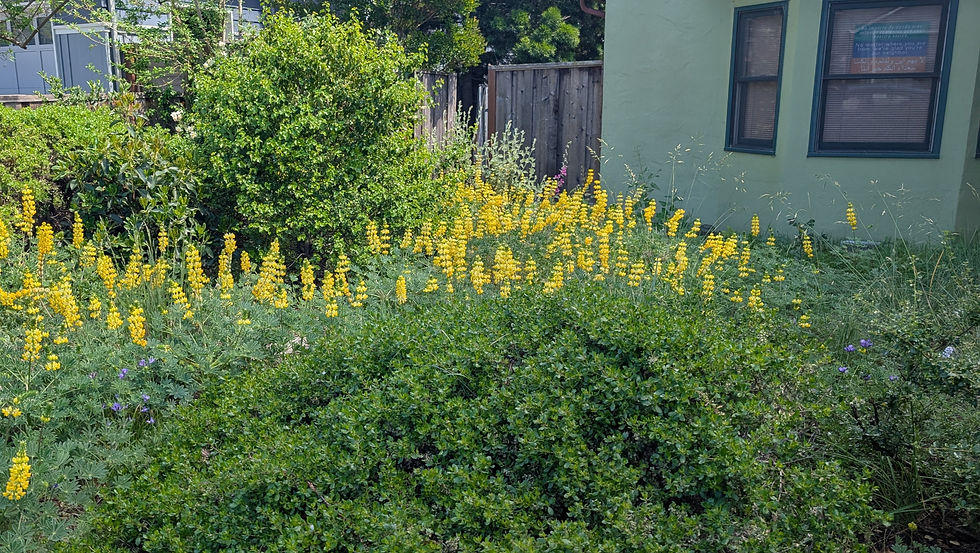
California natives are the foundation of gardens that work with this climate instead of against it. They support local wildlife, use less water, and look genuinely beautiful when they're well-designed and cared for.
At Fyrn Landscapes, I bring horticulture expertise to every native plant project, from initial design through seasonal maintenance. I'm a CNPS-certified native plant landscaper with hands-on training at Green Gulch Farm, habitat restoration projects in the San Francisco Bay Delta, and at Filoli Historic Garden. Native plants are not a trend I've adopted. They're a core part of how I design and care for Bay Area gardens.
Schedule a consultation to talk through your site.
Native Plant Landscape Design
Good native plant design starts with understanding your specific site. Soil type, sun exposure, slope, drainage, and existing vegetation all shape which plants will thrive and how the garden will grow over time.
I design native gardens that are intentional and layered, with a clear sense of structure and seasonal interest. That means thinking about canopy, shrub layer, and ground cover together. It means choosing plants that work as a community, not just a collection.
What the Design Process Includes
-
Site visit and assessment of soil, drainage, sun, and existing conditions
-
Planting plan with plant selection specific to your site and goals
-
Plant sourcing guidance, including local nurseries and regional provenance where it matters
-
Optional installation coordination or referrals
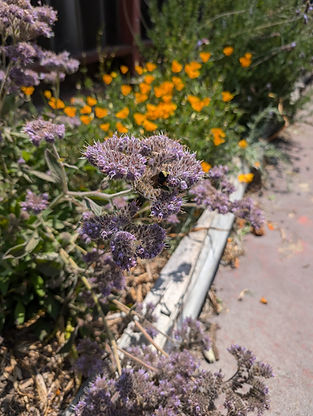
Want to add California natives to your garden without a full redesign? A garden consulting session can help you choose the right plants for your site and get them in the ground.
I work with clients across San Francisco, the Peninsula and San Mateo County, Marin, and the East Bay. Learn more about how I work or get in touch to discuss your project scope.
Native Plant Garden Care
A native garden needs maintenance, just different maintenance than a conventional garden. The first few years are especially important. Getting the watering right, cutting back at the right time, and knowing which plants need support versus which ones want to be left alone makes a real difference in how the garden establishes.
I provide ongoing maintenance for native plant gardens in San Francisco and San Mateo County. My approach is hands-on and site-specific. I don't run a crew. I'm the one doing the work.
What Native Plant Maintenance Covers
-
Seasonal pruning timed to each plant's growth cycle
-
Irrigation checks and adjustments (I'm QWEL and EPA WaterSense certified)
-
Weed management with attention to soil disturbance
-
Mulching and soil health support
-
Plant health monitoring and intervention when needed
Why California Natives
The case for planting natives goes beyond water savings, though that matters in a Mediterranean climate with summer drought. Here's what I see most consistently in well-established native gardens:
Lower inputs over time. Once established, most California natives need significantly less irrigation, fertilizer, and corrective pruning than non-native plantings. The first few years require attention. After that, the garden starts to take care of itself.
Real wildlife habitat. California natives co-evolved with local insects, birds, and pollinators. A native garden provides food and shelter for species that non-native plants simply don't support. That includes native bees, which are different from honeybees and often much harder to support with conventional plantings. If supporting butterflies is a goal, see my post on California native plants for butterfly gardens for specific plant recommendations.
Seasonal beauty. Native gardens have a rhythm. Spring bloom, summer dormancy, fall reseeding, winter structure. Designing with that rhythm rather than against it produces gardens that look right year-round.
Resilience. Plants adapted to this climate handle our conditions better than plants selected for other regions. I go deeper on this in my post on designing drought-tolerant gardens.
I wrote more about plant selection and common design mistakes in my post on California native plant garden design.
Where I Work
I serve clients across the Bay Area:
-
San Francisco: design and maintenance
-
San Mateo County: design and maintenance
-
Peninsula: design and select consulting engagements
-
Marin: design
-
East Bay: design
Frequently Asked Questions
Are native plants hard to maintain?
The first two to three years matter most. After establishment, most native plants are lower-maintenance than conventional garden plants. The key is getting species selection and irrigation right early on.
Can I mix California natives with non-native plants?
Yes. Many of my gardens combine natives with well-adapted Mediterranean plants or edibles. The goal is a garden suited to this climate, and there are good non-native options that work alongside natives. If you're drawn to a more structured aesthetic, my post on designing a Japanese garden with California native plants shows how the two can work together well.
Do you work with existing gardens that have some natives already?Yes. I can assess what's there, advise on what to keep, remove, or add, and help develop a plan for where you want the garden to go. If you want to bring California natives into an existing garden without a full redesign, garden consulting is a good place to start.
What's the best time to plant natives?
Fall is typically the best window in the Bay Area. Cooler temperatures and winter rains support establishment. That said, container plants can go in almost any time with proper irrigation support.
Start the Conversation
Tell me a little about you and what you're looking for. I'll get back to you within two business days.