Fall Vegetable Garden in San Francisco: What to Plant in Late Summer

Updated: May 20
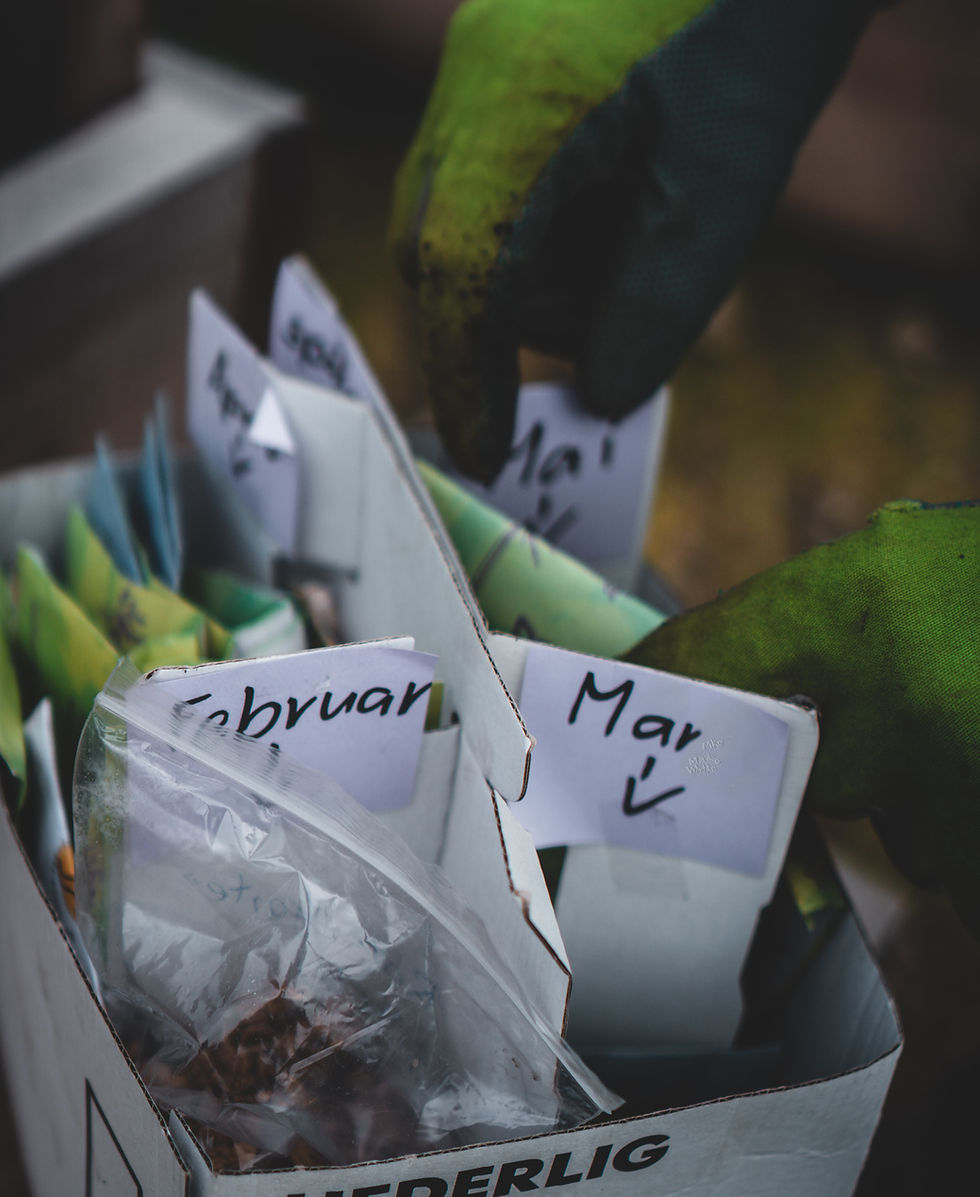
San Francisco is known for our “second summer” in September and October. After pushing through June Gloom and the heavy fog of “Fogust,” we’re rewarded with warm, sunny days at the start of autumn. For San Francisco gardeners and homeowners, this stretch is golden: the warmth helps seeds germinate and gives young plants a strong start before the days grow shorter and cooler.
If you’re planning your fall vegetable garden in San Francisco, August is the perfect time to get crops in the ground. With the right planting strategy, you’ll enjoy fresh harvests well into autumn. If you're looking for help designing or refreshing your edible garden, learn more about edible garden design and care services at Fyrn Landscapes.

How the Late Summer Garden Works in San Francisco
Most gardening advice is written for climates with cold winters and warm summers. San Francisco doesn't follow that pattern. Our summers are cool and foggy, our warmest weather arrives in September and October, and our winters are mild enough to keep cool-season crops growing through March.
This means the transition from summer to fall garden happens differently here than anywhere else. You're not putting the garden to bed when fall arrives, you're planting. The warm soil from our late summer supports fast germination, and the cooling days that follow give the plants exactly the conditions they prefer.
Understanding this window is one of the most useful things an SF gardener can know. August is when you act.
What to Plant in August

Direct Sow Now
Some crops are easiest started directly from seed in the ground. August is the right time to direct sow all of these:
Radishes germinate in as little as four days and are ready to harvest in three to four weeks. They are one of the fastest crops you can grow, and planting a small row every two weeks through September keeps a continuous supply coming. This fast growth is great for gardening with children because they get to see the cycle and enjoy the harvest in a short amount of time.
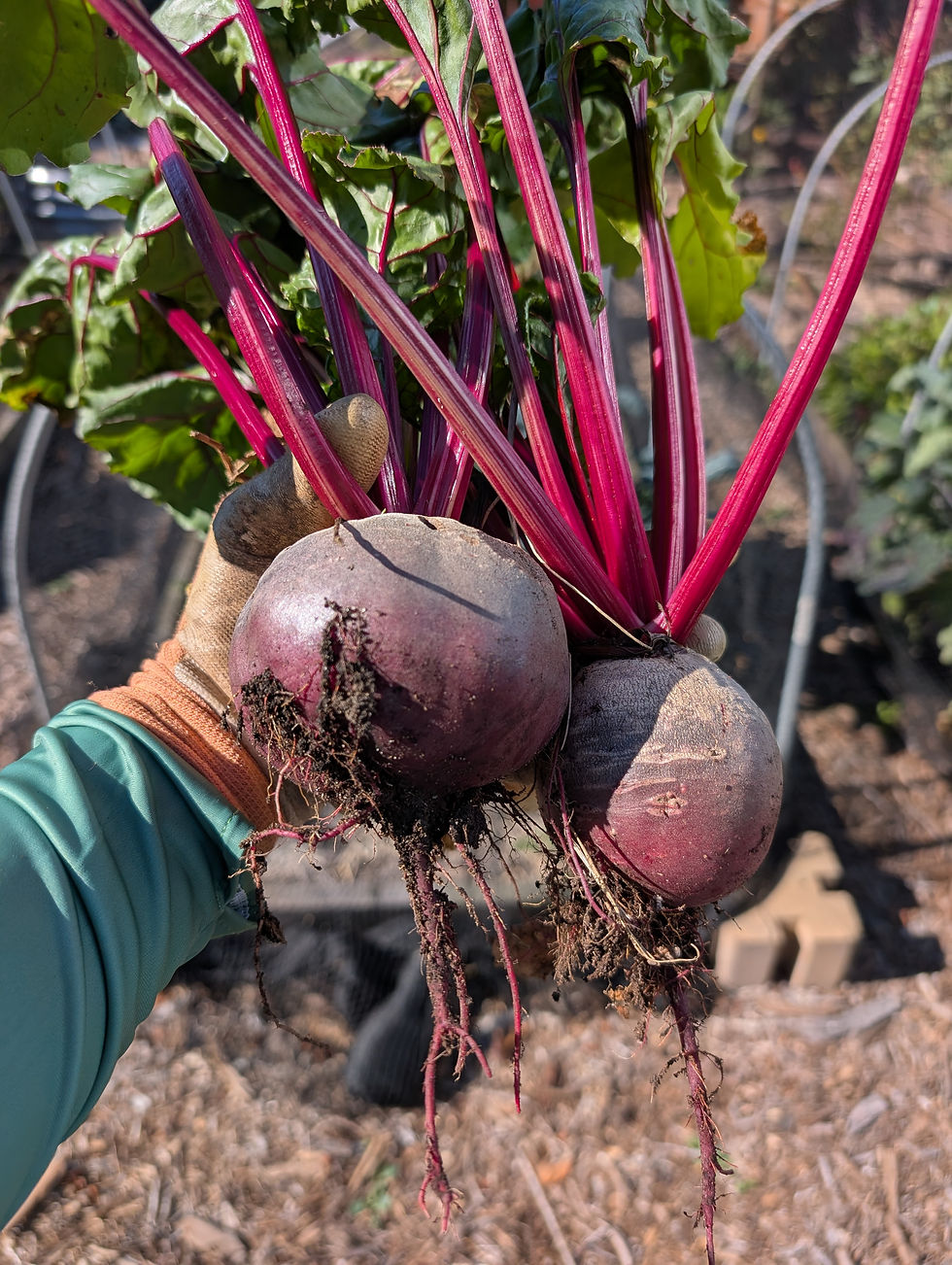
Beets take longer (usually 50 to 70 days) so starting them while the soil is still warm in August gives their roots time to size up before winter. Sow seeds about an inch deep. Each seed is actually a pod of multiple seeds, so you will need to thin to three inches apart once seedlings emerge. Beet greens are edible too, so thinnings can be used as microgreens and don't go to waste.
Carrots are versatile. Sow now for a fall harvest, or let them overwinter and harvest in early spring when the roots are sweeter from the cold. Carrots need loose, well-amended soil and consistent moisture to germinate. They do well in San Francisco's sandy soil. Covering the seeded area with a piece of burlap, cardboard, or plank of wood for the first week keeps the surface from drying out between waterings.
Turnips are fast and forgiving. They mature in 30 to 60 days depending on variety and can be harvested small and tender or left to size up. Young, tender turnips can be eaten raw. Those left to grow longer are great roasted. The greens are edible too and are great sauteed.
Arugula germinates quickly and can be harvested as baby greens in as little as three weeks. It gets spicier as the weather cools. Direct sow thickly and cut rather than pull for continuous harvest. Some varieties are perennial and can last multiple seasons.
Kale and Chard: The Workhorses of the SF Fall Garden
Kale and chard are staples in most edible garden designs for good reason. Planting starts available in late August gets them established faster than direct sowing and puts you ahead of the cooling days.
Both can be perennial in San Francisco. Cut chard to the base after it bolts and it's likely to resprout for summer. Perennial tree kale and collards can grow for years here, making them one of the most productive long-term investments in a small edible garden.
Succession Sowing: The Key to Continuous Harvest

The biggest mistake in the fall vegetable garden is planting everything at once. One large sowing of radishes gives you more radishes than you can eat in a short window, then nothing. Succession sowing solves this.
For fast-maturing crops like radishes, turnips, and arugula, sow a short row every two to three weeks through September. Each planting matures about three weeks after the last, which means continuous harvest rather than a single glut.
For slower crops like carrots and beets, two sowings, one in early August and one in mid-August, is usually enough to stagger the harvest window. Within each succession some can be harvested smaller and others left in the ground a little longer.
Managing the Transition: Summer Out, Fall In
The late summer garden is also a transition. Your warm-season crops — tomatoes, squash, peppers, beans — are winding down. Some are still producing; others are fading. One of the most common mistakes I see with new gardeners is filling the entire garden with summer crops and then running out of space and time in August. Because our warmest weather arrives late, tomatoes and squash are often still going strong when the fall planting window opens. Without a plan for the overlap, the fall crops don't get in the ground, and the garden stalls out by November with nothing coming in. Thinking through the full seasonal arc before you plant in spring is where working with an experienced edible garden designer makes a real difference. Learn more about edible garden design at Fyrn Landscapes.
Here's how to manage the overlap between summer and fall crops:
Remove spent plants as soon as they stop producing. Leaving exhausted plants in the ground takes up space and can harbor pests and disease. Cut just below the soil level instead of disturbing the soil pulling to leave roots underground. Roots are habitat for beneficial microorganisms and invertebrates, and they'll break down over time to feed the soil.

Amend the soil before replanting. Apply a balanced organic slow release fertilizer, gently rubbing it into the soil with a rake or your fingers, then top dress with a few inches of compost. The soil has been heavily used and benefits from a refresh before going back into production.
Leave what's still producing. Tomatoes and peppers often have a second flush during the warm days of September and October. If you don't need to free up space, don't pull them prematurely, let them finish.
Seasonal transitions take real physical effort: pulling plants, amending soil, and getting new crops in the ground in a short window. This transition in particular is one of the most important to get right. Summer crops are often the most beloved, but the fall planting is what carries your garden all the way to spring. If that's more than you want to take on alone, this kind of work is part of Fyrn Landscapes ongoing garden maintenance service. For gardeners that prefer to stay hands-on with the day-to-day care, I can come out a few times a year specifically for seasonal transitions with flexible garden consulting.
Watering During Late Summer Planting
The main challenge of late summer planting is keeping seeds and new transplants moist while the soil is still warm and the sun is still strong. Seeds need consistent moisture to germinate. If the surface dries out, germination stalls or fails.
Water newly seeded areas once or twice daily in short bursts until germination. Once seedlings are up, you can reduce frequency as the weather cools. Transplants need consistent moisture for the first two to three weeks while they establish.
Drip irrigation is the best setup for a vegetable garden. It delivers water directly to the root zone, keeps foliage dry, and makes it much easier to dial in the right schedule for each season. Getting that schedule right is more technical than it seems. Flow rates, emitter placement, run times, and seasonal adjustments all affect whether your plants thrive or struggle. If your irrigation system needs a tune-up or you want help setting up drip for an edible garden, irrigation consulting at Fyrn Landscapes is a good place to start.
As October arrives and the rains approach, irrigation needs drop significantly. By November, most cool-season crops need little to no supplemental watering.
Why Late Summer Gardening Matters for a Fall Vegetable Garden in San Francisco
As September and October bring our city’s warmest days, your summer vegetables will reach their final flush of productivity. By leaving space for August sowing, you create a bridge between the warm-season crops fading out and the cool-season ones just beginning.
The reward is an SF garden producing across seasons — late summer squash and cherry tomatoes alongside fresh radishes, beets, carrots, and kohlrabi, all in one year.
Want to see how late summer planting fits into the full year? The San Francisco garden calendar covers every month in detail.
Professional Garden Care and Edible Garden Design in San Francisco
Fyrn Landscapes designs and maintains edible gardens across San Francisco and the Bay Area. Whether you're starting a fall vegetable garden, transitioning summer beds to cool-season crops, or building out a full edible landscape, there's support available for every level of involvement.
Get in touch to talk about your garden.